
How to Create a Safe, Stress-Free Home for a Cat with FIP?
- CUREFIP.COM

- May 30, 2025
- 3 min read
A diagnosis of Feline Infectious Peritonitis (FIP) can be overwhelming for any cat owner. While antiviral treatment is now available through CureFIP, proper home care for FIP cats plays a critical role in recovery. Cats with FIP are often weak, sensitive to stress, and in need of a carefully managed environment to heal physically and emotionally.

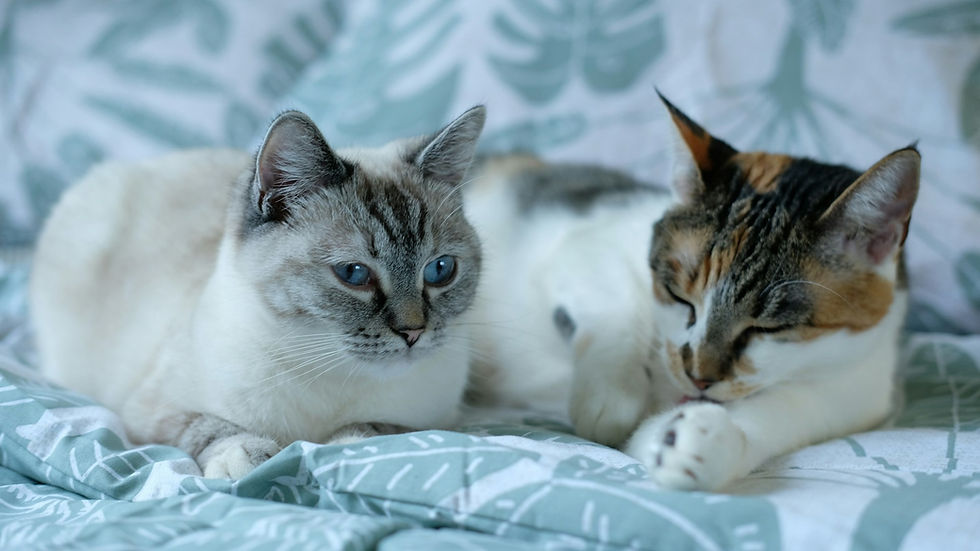
Creating a safe, calm, and supportive home can help boost your cat’s immune system, improve treatment outcomes, and give your pet the comfort it deserves during a difficult time.
Reducing Stress: A Key Factor in Recovery
Stress is a major contributor to worsening symptoms in sick cats. When caring for a cat with FIP, a low-stress environment helps support healing and stabilises appetite, mood, and energy levels.
Quiet Spaces
Designate a quiet room or corner of your home away from loud TVs, children, or other pets. Soft lighting and minimal disruptions can help your FIP cat feel more secure.
Familiar Routines
Cats thrive on routine. Feed, medicate, and interact with your cat at the same time each day to give them a sense of predictability and control. Familiarity is soothing.
Physical Safety and Comfort
Cats with FIP may be weak, uncoordinated, or disoriented, especially in neurological or ocular forms of the disease.
Soft Bedding
Provide soft, washable bedding in warm, quiet areas. Heated pet beds or thermal mats (always with supervision) can help maintain comfort, especially for cats with reduced circulation.
Easy Access to Essentials
Ensure your cat can easily access food, water, and litter boxes without needing to climb stairs or jump. Place these essentials within close reach to conserve their energy.
Avoid High Surfaces
Avoid placing food or bedding in elevated areas. Use ramps or padded steps if needed to prevent accidents. Cats with FIP often have weakened joints and muscles.
Feeding and Hydration Tips
Eating and drinking can be a challenge for cats with FIP, especially if they’re nauseous, in pain, or fatigued.
Appetite Support
Speak with your vet about appetite stimulants like mirtazapine or gabapentin if your cat is refusing food. You may also try warming up food slightly or offering bland but palatable options like chicken or tuna in water.
Easy-to-Digest Nutrition
Choose high-protein, easily digestible diets. Wet food is usually easier for sick cats and can help maintain hydration. If your cat is on antiviral treatment, be sure the diet complements their medication plan.
Bonding and Emotional Support
Emotional support from their trusted humans can make a big difference in your cat’s outlook and well-being.
Gentle Interaction
Use a calm voice, and offer slow, gentle petting. Even if your cat seems withdrawn, your presence can be comforting. Don’t force interactions—let your cat lead.
Appropriate Play
Some FIP cats still show moments of energy. If your cat is interested, offer light play with soft toys. This helps maintain their mental stimulation and bond with you, even during treatment.
Monitoring Symptoms and Treatment Compliance
Stay vigilant for changes in:
Appetite and weight
Mobility and coordination
Breathing
Eye colour or vision
Neurological signs (head tremors, seizures, etc.)
Maintain a daily log of medication doses, symptoms, and general behaviour. This is especially helpful when communicating with your vet or FIP support services.
If your cat is on GS-441524 antiviral therapy through CureFIP, maintaining strict dosage compliance and tracking improvements will support the best outcome.
Hygiene: Protecting Other Cats in the Household
While FIP itself is not contagious, the feline coronavirus (FCoV)—the root cause—is shed in faeces and may spread among cats sharing litter boxes.
Scoop litter boxes frequently, at least twice a day
Keep sick and healthy cats separated during the recovery phase
Wash your hands thoroughly after handling your FIP-positive cat
Clean bowls, bedding, and litter boxes with pet-safe disinfectants
For homes with multiple cats, CureFIP recommends testing other cats for FCoV and monitoring them for symptoms.
Conclusion: Creating a Healing Space at Home
Recovering from FIP takes time, patience, and the right environment. At CureFIP, we believe that FIP cat support at home is just as important as medical treatment. By reducing stress, ensuring physical comfort, and offering emotional care, you can dramatically improve your cat’s quality of life and recovery potential.
If you’re based in the UK and need help with caring for a cat with FIP, visit CureFIP. Our support team can assist you with antiviral treatment access, care guidance, and everything you need to provide your cat with a chance at a healthy, happy life.


This was an excellent read. I appreciated how clearly the topic was explained and how practical the information felt. I https://citylineairconditioning.com/ recently saw a related article on a citylineairconditioning-based review blog (citylineairconditioning), and it offered another interesting viewpoint. Great work on this post.
Such a helpful post for pet owners. Creating a calm environment makes such a difference, and your advice felt practical car crash lawyers and reassuring. I recently read something related on a mirianlaw-based review blog and liked that perspective too.
A meaningful and heartfelt read. Remembering important people and sharing those moments through writing https://thegamecaps.com/ makes a real impact. I recently came across a similar story on thegamecaps, and it added another thoughtful perspective.
Carefully explained article that does an excellent job keeping readers engaged from start to finish. The balance between information and readability was handled very well, making the post enjoyable without feeling overwhelming. I recently saw a similar conversation mentioned on https://searenovation.com/ and it was interesting to compare the different insights shared there and here. Your writing style feels natural and approachable, which adds even more value to the content. Posts like this are always appreciated because they encourage thoughtful reading and discussion.
Helpful and compassionate article that clearly reflects care for both pets and their owners. I appreciated how the information was explained in a calm and reassuring way, especially for readers dealing with stressful situations involving animal health. While reading, I was reminded of a discussion I recently saw on https://www.carsoup.com/ where pet communities were sharing supportive advice and recovery experiences. Your post balanced practical guidance with empathy very effectively, making it both informative and comforting for anyone searching for reliable insight on this topic.